

What Makes a Natural Smile?

Why Some Veneers Look Fake (And How to Avoid It)
27 July 2026
How to Choose the Right Cosmetic Dentist in Turkey
27 July 2026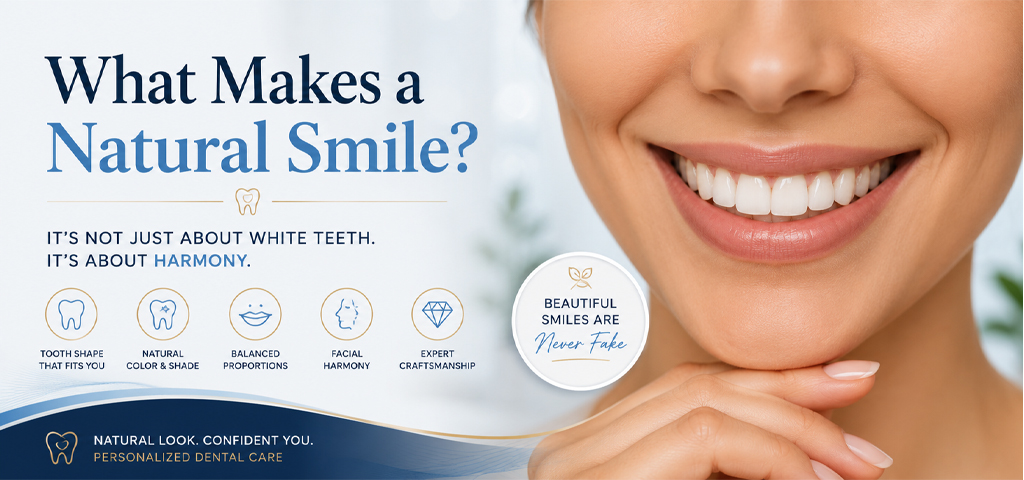
Many people assume that a beautiful smile simply means having perfectly straight, bright white teeth. In reality, the smiles that attract the most positive attention are rarely the ones that look the most artificial. The most appealing smiles are those that blend naturally with a person’s facial features, expressions, and personality.
A natural smile is not created by making every tooth identical. Instead, it is the result of careful planning, artistic judgment, and an understanding of dental science. Small details—such as tooth shape, color, translucency, gum contours, and the way the lips frame the teeth—work together to create a smile that feels authentic rather than obvious.
This is why two people receiving the same cosmetic treatment should never end up with identical smiles. What looks balanced and harmonious on one face may appear unnatural on another. Modern cosmetic dentistry focuses on personalization rather than perfection, designing smiles that complement each individual’s unique features.
In this guide, you’ll discover what truly makes a smile look natural, why some cosmetic dental treatments appear artificial, and how experienced cosmetic dentists combine science and aesthetics to achieve results that enhance your appearance without looking overdone.
What Is a Natural Smile?
A natural smile is one that appears effortless and harmonious. Rather than drawing attention to individual teeth, it enhances the overall appearance of the face. People notice that you look healthier, younger, or more confident, but they may not immediately realize you’ve had cosmetic dental treatment.
This concept is very different from the outdated idea that cosmetic dentistry is about creating perfectly white, perfectly symmetrical teeth. In reality, natural teeth have subtle differences in shape, texture, translucency, and color. These small variations are what make a smile believable.
Several characteristics contribute to a natural-looking smile:
- Teeth are proportional to the face.
- The color complements the individual’s skin tone and age.
- The smile follows the natural curve of the lower lip.
- Gum levels appear healthy and balanced.
- Teeth reflect light naturally rather than looking flat or opaque.
- Small anatomical details create depth and realism.
Modern smile design aims to preserve or recreate these characteristics rather than eliminate them. The goal is not perfection, but harmony.
Patients often request a “Hollywood Smile” because they want to look more attractive. However, experienced cosmetic dentists know that attractiveness comes from balance, not exaggeration. Teeth that are too white, too large, or identical in shape can quickly appear artificial, even if the dental work itself is technically well executed.
Ultimately, a natural smile should complement your face, not dominate it. The best cosmetic dentistry enhances your appearance so subtly that people notice your confidence before they notice your teeth.
Why Do Some Smiles Look Natural While Others Look Fake?
One of the most common concerns among patients considering cosmetic dentistry is whether their new smile will look natural. This concern is understandable. While some smile makeovers are virtually impossible to detect, others immediately stand out as artificial.
The difference rarely comes down to veneers alone. Instead, it is usually the result of design choices made during treatment planning.
A natural smile is built around the individual. An artificial smile is often built around a trend.
For example, copying a celebrity’s smile may seem appealing, but it rarely produces the same result. Every person has a different facial structure, lip movement, skin tone, and tooth anatomy. A smile that looks balanced on one individual may appear oversized or unnatural on someone else.
Several factors influence whether cosmetic dentistry blends seamlessly with a patient’s appearance.
Proportions Matter More Than Size
Many people assume that larger teeth automatically create a younger or more attractive smile. In reality, oversized teeth can overwhelm the face, making the smile appear bulky and disproportionate.
Experienced cosmetic dentists evaluate:
- Facial width
- Lip position
- Smile width
- Existing tooth proportions
- Jaw relationship
These measurements help determine the ideal dimensions for each tooth rather than relying on standard shapes.
Color Should Look Healthy, Not Artificial
Extremely white teeth have become popular on social media, but they rarely resemble natural enamel.
Healthy natural teeth are not a single flat shade of white. They contain subtle variations in brightness, translucency, and color from the gum line to the biting edge. These details allow teeth to reflect light in a lifelike way.
Choosing the brightest possible shade does not necessarily create the most beautiful smile. Instead, dentists consider factors such as age, skin tone, eye color, and facial characteristics to select a shade that looks fresh while remaining believable.
Natural Teeth Are Never Identical
One of the biggest giveaways of cosmetic dental work is excessive uniformity.
In nature, teeth have slight differences in:
- Edge contours
- Surface texture
- Light reflection
- Corner angles
- Translucency
When every tooth has exactly the same shape and finish, the smile may appear flat or “too perfect.”
Modern porcelain veneers and high-quality ceramic restorations are designed to reproduce these natural variations, allowing each tooth to contribute to a more realistic overall appearance.
The Smile Must Fit the Face
Teeth should never be designed in isolation.
A successful smile makeover considers how the teeth interact with:
- The lips
- The cheeks
- The nose
- The chin
- Facial symmetry
- Expressions during speech and laughter
This is why photographs and videos have become an essential part of modern smile design. They allow dentists to evaluate the smile not only when the patient is sitting still but also while speaking and expressing emotions.
Ultimately, the most attractive smiles are those that feel authentic. They enhance facial harmony without appearing obvious or over-designed.
The 7 Elements That Create a Natural Smile
Although every smile is unique, experienced cosmetic dentists evaluate several key characteristics when designing aesthetic treatments. These elements work together to create a result that looks balanced, healthy, and natural rather than artificial.
1. Tooth Shape
Tooth shape has a significant influence on the overall character of a smile.
Rounded edges often create a softer appearance, while squarer teeth can give the smile a stronger, more defined look. Some patients naturally have slightly oval central incisors, while others have more angular anatomy.
Rather than selecting a generic veneer shape, cosmetic dentists choose forms that suit the patient’s facial features and personality.
Even small adjustments to the corners and edges of the teeth can dramatically change how youthful, elegant, or natural a smile appears.
2. Tooth Size and Proportion
The size of each tooth should be in harmony with the surrounding teeth and the face as a whole.
Central incisors are typically the most dominant teeth in the smile, followed by the lateral incisors and canines. Maintaining the proper relationship between these teeth creates visual balance.
If the front teeth are too long or too wide, they can dominate the face. If they are too short, the smile may appear aged or incomplete.
Instead of following fixed formulas, modern smile design uses facial analysis to determine proportions that suit the individual patient.
3. Tooth Color
Color is one of the first things people notice, but natural beauty is not determined by whiteness alone.
Natural enamel contains depth, translucency, and subtle variations in shade. Teeth are often slightly darker near the gums and more translucent toward the edges. These differences help create a vibrant, lifelike appearance.
When teeth are made uniformly bright white without these natural characteristics, they may appear artificial under both natural daylight and indoor lighting.
The ideal shade should complement the patient’s complexion, age, and overall facial aesthetics rather than simply being the lightest option available.
4. Surface Texture
Natural teeth are not perfectly smooth.
Microscopic grooves, ridges, and enamel texture allow light to scatter naturally across the tooth surface. These fine details are often invisible at first glance, yet they play an important role in making teeth appear real.
High-quality ceramic restorations recreate these subtle textures. In contrast, overly polished or completely flat surfaces can reflect light unnaturally, making veneers look more like plastic than enamel.
5. Translucency
One characteristic that distinguishes natural enamel from many artificial restorations is translucency.
The edges of healthy front teeth allow a small amount of light to pass through them. This creates depth and prevents the smile from looking opaque or heavy.
Premium ceramic materials, particularly lithium disilicate ceramics such as Emax, are valued for their ability to reproduce this optical property. When translucency is carefully matched to the patient’s natural teeth, the restorations become much more difficult to distinguish from real enamel.
6. Smile Line
The smile line describes the relationship between the edges of the upper front teeth and the curve of the lower lip when smiling.
In most attractive smiles, these two curves follow each other naturally.
If the front teeth are excessively long, too flat, or unevenly positioned, the smile line may appear unbalanced. Careful planning helps create a smooth, harmonious curve that enhances facial expression without looking exaggerated.
A well-designed smile line contributes to a youthful and dynamic appearance while still looking completely natural.
7. Gum Harmony
Beautiful teeth alone cannot create a natural smile if the surrounding gums are uneven or unhealthy.
Balanced gum contours frame each tooth and help establish symmetry across the smile. Excessive gum display, irregular gum levels, or inflammation can distract from otherwise excellent cosmetic work.
In some cases, minor periodontal procedures or gum contouring may be recommended before placing veneers or crowns. Addressing the soft tissues allows the final restoration to blend more naturally with the rest of the smile.
When teeth and gums work together in harmony, the overall result appears healthier, more refined, and far more natural than focusing on the teeth alone.
Why Facial Harmony Matters More Than Perfect Teeth
Many people focus entirely on the appearance of their teeth when considering cosmetic dentistry. However, experienced cosmetic dentists know that beautiful smiles are created by balancing the entire face—not just improving individual teeth.
A smile is constantly interacting with the lips, cheeks, nose, chin, and facial expressions. If these elements are ignored, even technically excellent dental work can appear unnatural.
This is why modern smile design begins with facial analysis before any treatment decisions are made.
Your Face Determines the Ideal Smile
There is no universal “perfect smile.”
A smile that looks attractive on someone with a narrow face may appear too wide on someone with broader facial proportions. Likewise, long front teeth may suit one patient but overwhelm another.
During smile planning, dentists evaluate factors such as:
- Face shape
- Facial symmetry
- Lip thickness
- Smile width
- Jaw relationship
- Existing tooth display
- Overall facial proportions
These details help determine what will look balanced for that specific individual rather than following a standard template.
Lips Frame the Smile
The lips act as a natural frame around the teeth.
Their shape, movement, and position influence how much of the teeth and gums are visible when speaking or smiling. Patients with fuller lips often display teeth differently from those with thinner lips, and these differences should be considered during treatment planning.
The curve of the upper lip also affects how much of the upper teeth is exposed when smiling. Creating veneers without considering lip dynamics can result in teeth that appear too long, too short, or simply out of place.
Age Influences Smile Design
A natural smile for a 25-year-old should not look identical to one designed for someone in their 60s.
As we age, several natural changes occur:
- Teeth become slightly darker.
- Incisal edges gradually wear down.
- Less of the upper teeth may be visible at rest.
- Lip support changes over time.
Cosmetic dentistry should respect these characteristics while restoring a healthy, youthful appearance. Making mature patients look unnaturally youthful with oversized, ultra-white teeth often produces the opposite effect.
Personality Also Matters
A smile is part of personal identity.
Some patients prefer a bright, youthful look, while others want an understated improvement that no one notices. Neither approach is inherently right or wrong—the goal is to create a result that reflects the patient’s expectations while remaining harmonious.
This is why consultation is such an important part of cosmetic dentistry. Understanding the patient’s lifestyle, preferences, and aesthetic goals allows the final design to feel authentic rather than generic.
Ultimately, the most successful smile makeovers are those that enhance the person’s natural features instead of replacing them with a one-size-fits-all design.
Why Two Patients Should Never Have the Same Veneers
One of the biggest misconceptions about cosmetic dentistry is that there is a single veneer shape that suits everyone.
In reality, copying another person’s smile is one of the quickest ways to achieve an unnatural result.
Every patient has unique facial proportions, tooth anatomy, bite characteristics, and aesthetic preferences. Even identical twins often require different smile designs because facial expressions, lip movement, and dental wear patterns can vary.
Cosmetic Dentistry Is Personalized
Modern veneer treatment is based on customization rather than standardization.
Before designing veneers, cosmetic dentists evaluate:
- Existing tooth dimensions
- Facial proportions
- Smile width
- Lip mobility
- Gum levels
- Bite alignment
- Speech patterns
- Functional movements
Each of these factors influences the final appearance of the restorations.
For example, a patient with a broad smile may require wider restorations than someone whose smile naturally exposes fewer teeth. Likewise, individuals with strong jaw muscles or specific bite patterns may need adjustments that improve both aesthetics and long-term durability.
Natural Smiles Include Small Differences
Perfect symmetry is surprisingly uncommon in nature.
The left and right sides of the face are rarely identical, and natural teeth often have subtle differences in shape, contour, and positioning. These small imperfections contribute to a realistic appearance.
Experienced dental technicians intentionally recreate these details when fabricating high-quality veneers. Tiny variations in edge anatomy, surface texture, and light reflection help prevent the smile from looking manufactured.
The Goal Is Harmony, Not Uniformity
Patients sometimes bring photographs of celebrities or influencers and ask for the exact same smile.
While these images can be useful for discussing preferences, they should never serve as a blueprint.
Instead, cosmetic dentists identify what the patient likes—whether it’s softer tooth shapes, brighter color, or improved symmetry—and adapt those characteristics to suit the individual’s own face.
The result is a smile that feels personal rather than copied.
When veneers are designed around the patient instead of around trends, the final outcome is more likely to remain attractive for years to come, even as cosmetic fashions change.
How Cosmetic Dentists Design a Natural Smile
Creating a natural-looking smile involves far more than selecting a tooth color or placing veneers. Modern cosmetic dentistry follows a structured planning process that combines clinical expertise, digital technology, and artistic judgment to ensure the final result complements the patient’s face.
Rather than making decisions during the procedure, experienced cosmetic dentists plan every detail before treatment begins.
Step 1: Understanding the Patient’s Goals
Every smile makeover starts with a conversation.
Some patients want a dramatic transformation, while others simply wish to improve minor imperfections without anyone noticing they’ve had dental treatment.
Understanding these expectations helps the dentist create a treatment plan that matches the patient’s lifestyle, personality, and desired outcome.
Step 2: Comprehensive Smile Analysis
The next step is evaluating the smile from multiple perspectives.
This typically includes:
- Clinical examination
- Digital photographs
- Intraoral images
- Bite assessment
- Evaluation of gum health
- Facial analysis
Instead of looking only at the teeth, dentists assess how the smile interacts with the entire face during both rest and expression.
Step 3: Digital Smile Planning
Digital technology has transformed cosmetic dentistry.
Using specialized software, dentists can analyze tooth proportions, smile width, facial symmetry, and lip position before treatment begins.
This planning stage helps identify potential improvements while ensuring the proposed smile remains realistic for the patient’s facial structure.
Although digital planning is an excellent guide, it supports clinical judgment rather than replacing it.
Step 4: Choosing the Right Tooth Shade
Selecting a natural tooth color requires more than choosing the whitest shade.
Dentists consider several factors, including:
- Skin tone
- Eye color
- Age
- Existing teeth
- Facial features
- Patient preferences
The objective is to create a smile that appears healthy and bright while still blending naturally with the rest of the face.
Step 5: Trial Smiles and Mock-Ups
In many cosmetic cases, patients have the opportunity to preview their future smile before any permanent restorations are placed.
Temporary mock-ups or trial restorations allow both the patient and dentist to evaluate:
- Tooth length
- Tooth shape
- Speech
- Lip support
- Smile balance
This stage provides valuable feedback and allows refinements before the final ceramic restorations are fabricated.
Step 6: Collaboration Between Dentist and Dental Laboratory
Natural-looking veneers are rarely the work of one person alone.
The dentist and dental technician work closely together throughout the process. Clinical photographs, shade information, facial measurements, and design preferences are shared with the laboratory to ensure every restoration reflects the treatment plan.
Attention to small details—such as translucency, surface texture, and edge anatomy—often makes the difference between restorations that simply look white and those that genuinely resemble natural enamel.
When every stage is carefully planned, the final smile appears balanced, comfortable, and consistent with the patient’s natural facial features.
Why Material Selection Changes the Final Result
The material used for cosmetic restorations plays an important role in how natural the final smile appears. While every option has advantages, they do not all produce the same aesthetic effect.
The ideal material depends on factors such as the patient’s goals, the condition of the teeth, bite forces, and the location of the restoration.
| Material | Natural Appearance | Common Use |
| Composite Veneers | Good | Minor cosmetic improvements and repairs |
| Porcelain Veneers | Excellent | Smile makeovers and front teeth |
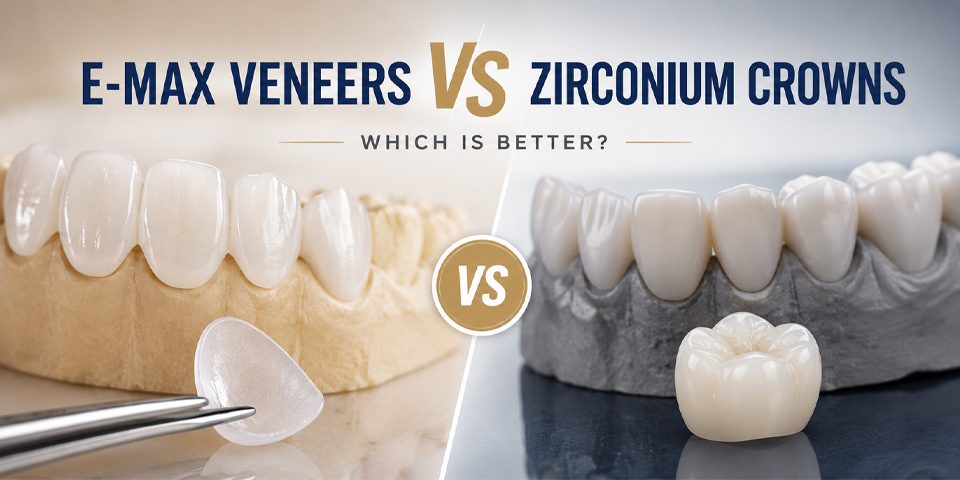
| Emax Veneers | Excellent | Highly aesthetic anterior restorations |
| Zirconia Crowns | Very Good | Back teeth and selected front teeth requiring extra strength |
Composite Veneers
Composite veneers can improve the appearance of chipped, worn, or discolored teeth in a relatively conservative manner.
They can produce attractive results, particularly for small cosmetic corrections, but they generally do not reproduce light and translucency as naturally as high-quality ceramics.
Porcelain and Emax Veneers
Porcelain veneers remain one of the most popular choices for patients seeking highly natural cosmetic results.
Among ceramic materials, lithium disilicate (commonly known as Emax) is widely appreciated for its ability to mimic the optical properties of natural enamel. Its translucency, depth, and light reflection allow restorations to blend seamlessly with surrounding teeth when properly designed.
For many patients requiring aesthetic treatment of the front teeth, porcelain-based restorations offer an excellent balance between appearance and durability.
Zirconia Restorations
Modern zirconia has improved significantly in recent years.
While earlier generations sometimes appeared opaque, newer materials provide much better aesthetics while maintaining exceptional strength.
Zirconia is frequently selected for teeth that must withstand greater chewing forces and may also be appropriate for certain anterior restorations when additional durability is required.
Material Alone Does Not Guarantee a Natural Smile
Patients often ask which material looks the most natural.
The truth is that even the highest-quality ceramic cannot compensate for poor treatment planning or incorrect smile design.
A carefully designed composite restoration may look more natural than poorly designed porcelain veneers. Likewise, exceptional ceramics only achieve their full potential when combined with accurate planning, skilled laboratory work, and careful attention to facial harmony.
Ultimately, the experience of the cosmetic dentist and dental technician has a greater influence on the final result than the material alone.
Common Mistakes That Lead to Artificial Smiles
Modern cosmetic dentistry can produce incredibly natural results, but certain design mistakes can make even high-quality restorations appear artificial. Fortunately, most of these issues are preventable with careful planning and realistic treatment goals.
Choosing the Whitest Shade Available
One of the most common misconceptions is that the whitest teeth automatically create the most attractive smile.
In reality, natural teeth have depth and subtle color variations. Selecting an extremely bright shade without considering the patient’s age, complexion, or facial features can make the smile stand out for the wrong reasons.
A natural-looking smile is bright, but it should never appear unnaturally white.
Making Every Tooth the Same Shape
Natural teeth are not identical.
When every veneer has exactly the same width, length, and edge design, the smile can appear flat and artificial. Small variations in contour and anatomy help recreate the appearance of natural enamel and make the smile feel more authentic.
Ignoring Facial Proportions
Beautiful teeth alone cannot guarantee a beautiful smile.
If the teeth are too large for the face, too long for the lips, or too wide for the patient’s smile, they may dominate the facial features rather than complement them.
Successful cosmetic dentistry always considers the relationship between the teeth and the entire face.
Overlooking the Gums
Healthy gums are just as important as attractive teeth.
Uneven gum levels, excessive gum display, or inflamed tissues can reduce the overall aesthetic result, regardless of how well the veneers or crowns are made.
In some cases, minor periodontal treatment before cosmetic procedures creates a far more natural final outcome.
Prioritizing Trends Over Individual Needs
Social media has popularized certain smile styles, but trends change quickly.
A smile that is fashionable today may not suit every patient—or remain appealing years from now.
Rather than copying celebrities or influencers, cosmetic dentistry should focus on creating a smile that complements the individual’s facial features and personal style.
Choosing Treatment Based on Price Alone
Cost is naturally an important consideration, but selecting a clinic based solely on the lowest price can sometimes lead to disappointing results.
Creating natural-looking restorations requires careful planning, high-quality materials, experienced laboratory work, and attention to detail. These factors often have a much greater impact on the final appearance than the treatment itself.
Patients who invest time in choosing an experienced cosmetic dentist are generally more likely to achieve results that remain attractive and functional for many years.
Frequently Asked Questions
What makes a smile look natural?
A natural smile is one that is in harmony with the face. Proper tooth proportions, realistic color, healthy gums, balanced lip support, and subtle anatomical details all contribute to an authentic appearance.
Can veneers look completely natural?
Yes. Modern porcelain veneers can closely mimic natural enamel when they are individually designed to suit the patient’s facial features, smile, and bite.
Are very white teeth always the best choice?
Not necessarily. The brightest shade is not always the most attractive. A tooth color that complements your skin tone and age often produces a more natural-looking result.
How many veneers are needed for a smile makeover?
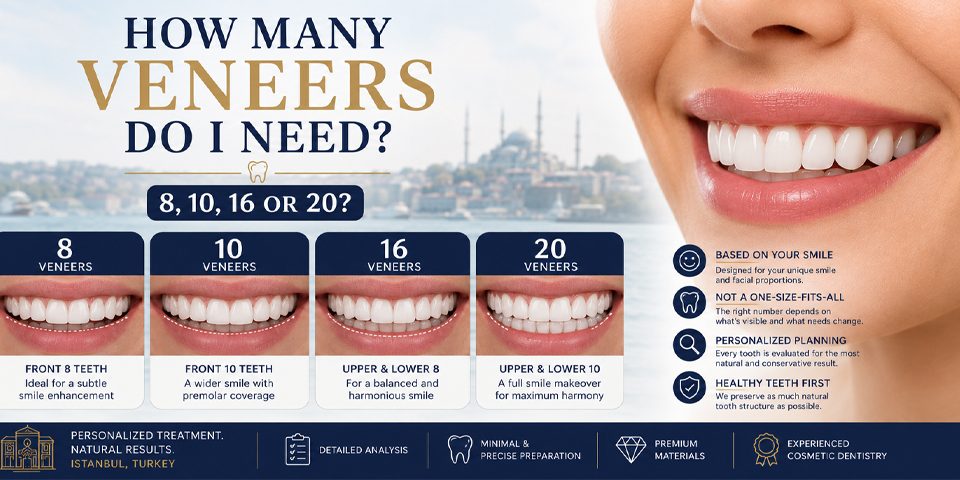
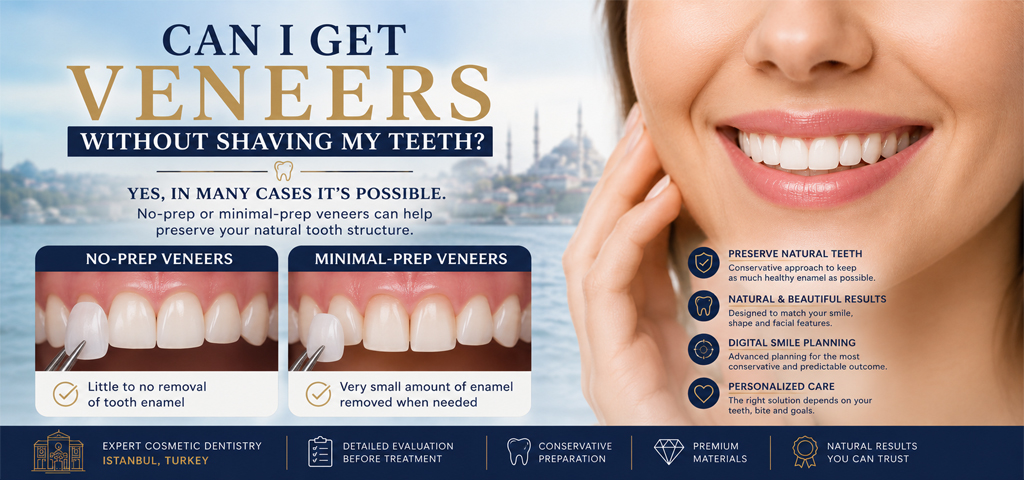
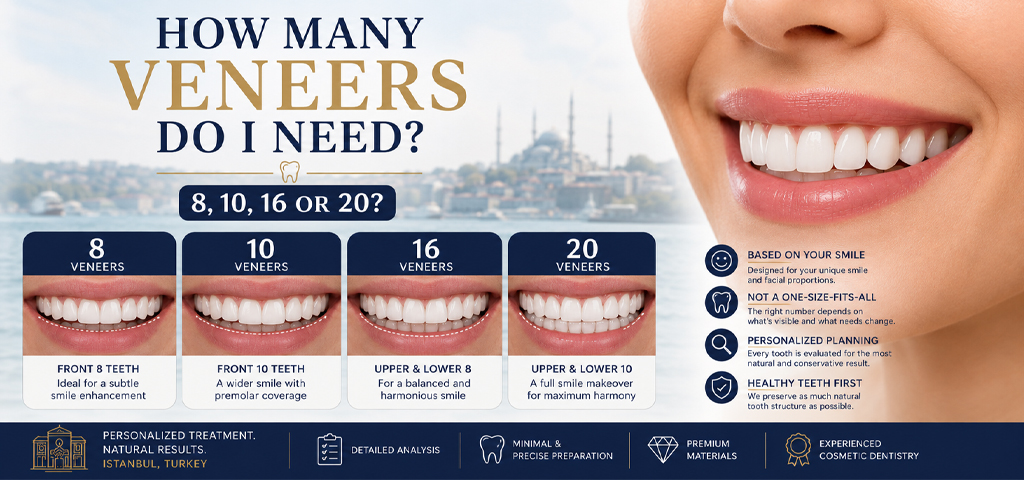
The number varies from patient to patient. Some people achieve their goals with four to six veneers, while others may require eight or more depending on how many teeth are visible when smiling.
Can cosmetic dentistry preserve my natural appearance?
Yes. The goal of modern smile design is to enhance your existing features rather than completely change your appearance. Well-planned treatment should make you look refreshed, not like a different person.
Does age affect smile design?
Absolutely. Tooth shape, color, and proportions are often adjusted according to the patient’s age to create a result that looks healthy and appropriate rather than artificial.
Which material provides the most natural appearance?
High-quality porcelain materials, particularly lithium disilicate ceramics such as Emax, are widely recognized for their excellent aesthetics. However, the final appearance depends just as much on planning and craftsmanship as on the material itself.
How can I avoid an artificial-looking smile?
Choose an experienced cosmetic dentist who takes a personalized approach to smile design. Careful planning, realistic shade selection, attention to facial harmony, and collaboration with a skilled dental laboratory are all essential for achieving natural-looking results.
Final Thoughts
A natural smile is not defined by perfectly white teeth or flawless symmetry. Instead, it is the result of harmony between the teeth, gums, lips, and facial features. The most successful cosmetic dental treatments enhance your appearance without drawing unnecessary attention to the dental work itself.
Modern smile design combines science, technology, and artistic expertise to create results that are unique to each individual. Every decision—from tooth shape and shade to material selection and facial analysis—plays a role in achieving a smile that feels authentic.
Whether you are considering veneers, a smile makeover, or another cosmetic dental treatment, the most important goal should not be to copy someone else’s smile. It should be to create one that reflects your own features, personality, and natural beauty.
When cosmetic dentistry is planned with precision and personalization, the final result is more than just attractive teeth—it is a confident, balanced smile that looks like it has always belonged to you.