

How Long Should I Stay in Turkey for Veneers?

What Is Invisalign and Who Is It For?
17 September 2026
How Long Should I Stay in Turkey for Dental Implants?
4 November 2026
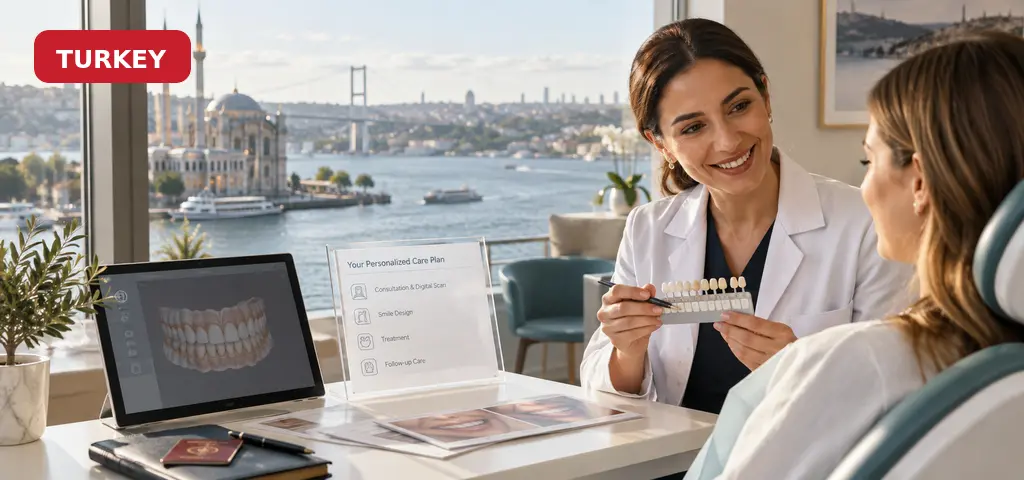
If you are travelling to Turkey for dental veneers, one of the first questions you will probably ask is how many days you need to stay. You may have limited annual leave, flights to arrange and accommodation to book. Naturally, you want to understand whether your treatment can be completed during a short visit or whether you should allow more time.
Many patients considering porcelain veneers plan approximately 5–7 days in Turkey for the active treatment stage. However, this is a planning estimate rather than a fixed treatment schedule. Some cases may require fewer appointments, while others need additional time for preparation, laboratory work, adjustments or treatment of existing dental problems.
The number of days you need depends on your oral health, the type and number of veneers, the complexity of your smile design and how your teeth respond during treatment. It also depends on whether the dental laboratory can complete the restorations within the proposed timeframe.
At the practice of Dt. Özlem Özcan in Istanbul, treatment planning begins with understanding the patient’s dental condition and expectations. For international patients, the aim is to develop a realistic appointment schedule that considers both clinical requirements and travel arrangements.
This guide explains the typical stages of veneer treatment, what can affect the schedule and how to plan your stay in Turkey without placing unnecessary pressure on the treatment process.
How Many Days Do You Need in Turkey for Veneers?
For conventional laboratory-made porcelain veneers, approximately five to seven days is a reasonable starting point when discussing travel arrangements with a dentist. This timeframe may allow for the initial clinical assessment, tooth preparation where necessary, laboratory fabrication, veneer try-in, bonding and a final review.
However, the treatment stages do not always fit neatly into a predetermined number of days. The dentist must first establish whether veneers are suitable for your teeth and whether any additional procedures are required. A patient with healthy teeth seeking a limited aesthetic change may have a different schedule from someone who has extensive existing restorations, bite problems or gum inflammation.
The laboratory also plays an important role. Custom porcelain veneers are made to fit individual teeth, and their shape, colour, surface texture and margins must be evaluated carefully. If a veneer requires modification or remaking, additional appointments may be necessary.
A useful distinction is the difference between the active treatment period and the complete clinical journey. The active treatment period may involve several appointments over a few days. The complete journey also includes initial planning, any preliminary treatment, healing where required and follow-up care after you return home.
For this reason, it is better to discuss a proposed treatment schedule before booking non-refundable flights than to assume every veneer case can be completed within the same number of days.
What Happens During a Typical Veneer Treatment Visit?
Understanding the sequence of appointments helps international patients make more informed travel decisions. Although the exact schedule varies, conventional porcelain veneer treatment generally follows several clinical stages.
Initial Consultation and Dental Examination
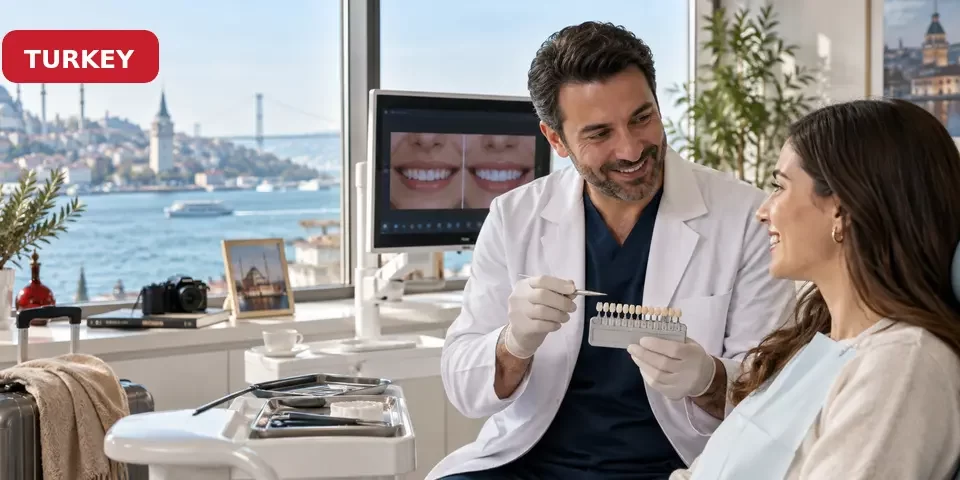
Your first appointment involves an assessment of your teeth, gums, existing restorations and bite. The dentist discusses the appearance you would like to achieve, including tooth shape, proportions, colour and the overall character of your smile.
Clinical photographs, digital scans or impressions may be taken. Dental X-rays may also be recommended when clinically indicated, particularly if there are concerns about decay, previous dental treatment or the condition of supporting structures.
This assessment is important because veneers are not suitable for every dental problem. If teeth are significantly damaged, structurally weakened or affected by untreated disease, another treatment may be more appropriate.
The dentist may also discuss whether your desired changes could be achieved through laminate veneer treatment, teeth bonding or another restorative approach.
Smile Design and Treatment Planning
Once the teeth have been assessed, the next stage is deciding what the veneers should look like and which teeth should be treated.
Aesthetic planning considers more than tooth colour. The dentist evaluates tooth proportions, symmetry, gum levels, lip movement and the relationship between the upper and lower teeth. The aim is to create restorations that fit the patient’s facial features and function appropriately.
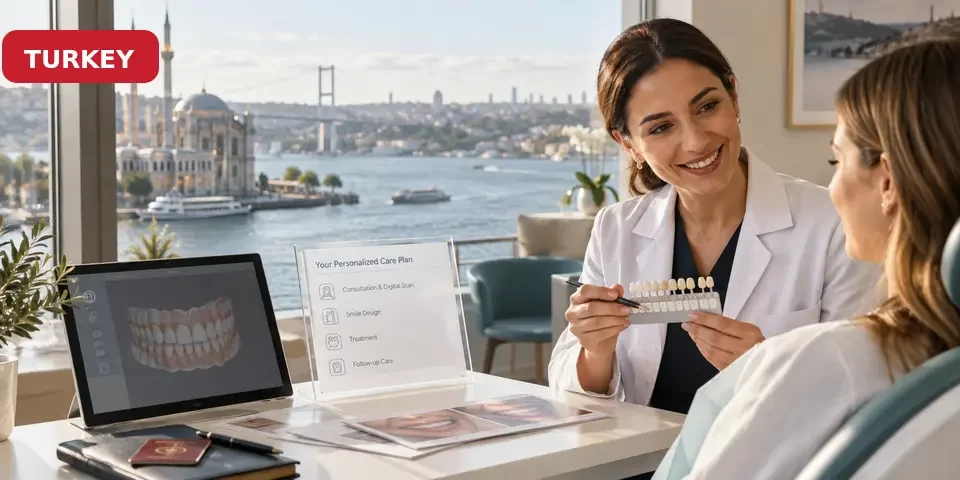
Some cases may involve a digital smile design, diagnostic wax-up or temporary mock-up to help patients understand the proposed changes. These tools can support communication, although a digital preview is not a guarantee of the final clinical result.
If you are considering a broader smile transformation, the Hollywood Smile treatment page explains the wider range of approaches that may be involved.
Tooth Preparation and Impressions
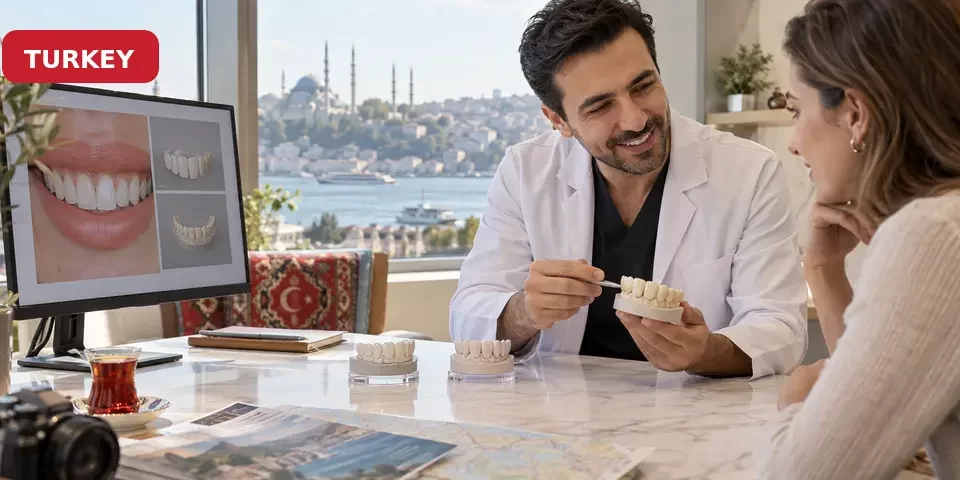
For conventional porcelain veneers, a small amount of enamel may need to be removed to create sufficient space for the restoration. The amount depends on the position, shape and colour of the existing teeth, as well as the veneer design.
Not every patient requires the same degree of preparation. In selected cases, minimal-preparation or no-preparation veneers may be considered, but these approaches are not suitable for every bite or tooth arrangement.
After preparation, the dentist records the tooth surfaces and their relationship to the surrounding teeth using digital scans or conventional impressions. These records are used to produce the final veneers.
If teeth have been prepared, temporary restorations may be placed while the definitive veneers are manufactured. Temporary veneers protect prepared surfaces and provide an interim appearance, but they may feel different from the final restorations.
Laboratory Fabrication
Custom porcelain veneers require laboratory work. The technician uses the clinical records and agreed design to manufacture restorations with the intended shape, fit and aesthetic characteristics.
This stage can influence the overall treatment schedule. The number of veneers, complexity of the design, material selection and any necessary refinements may affect how long fabrication takes.
Patients sometimes assume that laboratory work is simply a waiting period that can be shortened without consequence. In reality, accurate margins, appropriate contact points and a suitable relationship with the bite are important for the function and maintenance of the restorations.
Veneer Try-In and Final Bonding
Before definitive bonding, the dentist evaluates how the veneers fit and appear in the mouth. This may involve checking their colour, proportions, alignment, contacts with neighbouring teeth and relationship with the opposing teeth.
The patient also has an opportunity to discuss the appearance before the restorations are permanently bonded.
If the fit or aesthetics require changes, the dentist may recommend additional laboratory work. This can extend the treatment schedule, but accepting a restoration solely to meet a departure date is not a sound clinical decision.
Once the restorations are suitable, they are bonded using a material-specific adhesive protocol. The dentist then checks the bite and provides instructions on cleaning, eating and protecting the veneers.
Final Review Before Departure
A review appointment may be arranged after bonding to check comfort, bite contacts, gum response and any concerns that become apparent during normal use.
This is one reason to avoid scheduling your return flight immediately after the expected bonding appointment. Leaving some flexibility allows time for a review or minor adjustments when needed.
Can You Get Veneers in Turkey in Three Days?
A three-day trip may sound attractive, especially when travelling from the United Kingdom or another European country. However, three days should not be treated as a standard timeframe for conventional porcelain veneer treatment.
In selected circumstances, a short treatment schedule may be possible, depending on the patient’s oral health, the number of restorations, the fabrication method and the availability of the required appointments. Nevertheless, the clinical examination must establish whether the proposed schedule is appropriate.
A three-day itinerary leaves limited flexibility if the dentist identifies untreated decay, gum inflammation or bite-related concerns. It also provides less time for laboratory refinements or additional checks.
Some dental practices use chairside digital manufacturing systems that can produce certain ceramic restorations more quickly. However, the availability of such technology and its suitability for a particular case should be confirmed directly with the treating practice. A shorter manufacturing process does not eliminate the need for diagnosis, planning, fitting and appropriate clinical assessment.
For patients arranging international travel, the more useful question is not simply whether veneers can be completed in three days. It is whether the proposed schedule allows the necessary treatment stages to be performed appropriately.
What Can Make Veneer Treatment Take Longer?
Several clinical and practical factors may affect the number of days needed for treatment. Identifying them early can help prevent unexpected changes to your travel plans.
Existing Dental Problems
Untreated tooth decay, gum disease, infections or failing restorations may need attention before veneers can be considered. Bonding veneers to teeth with unresolved disease can compromise the overall treatment plan.
For example, a tooth with a small area of decay may require a dental filling. A tooth with more extensive internal damage may need further assessment to determine whether root canal treatment is appropriate.
Some conditions can be managed within a relatively short period, while others require healing or reassessment. The dentist should explain whether the necessary preliminary treatment changes the proposed veneer schedule.
Number of Veneers
The number of veneers can influence the complexity of the treatment. Restoring two front teeth may require a different approach from restoring eight or ten teeth across the smile.
Larger cases involve more extensive planning of tooth proportions, contact points and the relationship between the restorations. Additional laboratory work or adjustments may be necessary.
However, the number of veneers alone does not determine the treatment duration. A smaller but technically complex case can require more time than a larger, straightforward one.
Bite and Tooth Alignment
Veneers must function within the patient’s existing bite. If teeth are significantly crowded, rotated or affected by an unstable bite, placing veneers without addressing the underlying problem may be inappropriate.
In some situations, orthodontic treatment may be recommended before aesthetic restorations. Orthodontic treatment generally takes substantially longer than a short dental tourism visit and may require an entirely different treatment plan.
Patients who grind or clench their teeth may also need an assessment of the forces acting on the restorations. Depending on the clinical findings, the dentist may discuss protective measures or alternative treatment options.
Laboratory Adjustments
Even when the clinical stages proceed as expected, a veneer may require refinement before bonding. The dentist might identify an issue with its fit, contact points or aesthetic appearance.
Laboratory adjustments should be considered a normal possibility in custom restorative dentistry rather than automatically being viewed as a treatment failure.
Gum Health and Healing
Healthy gums are important for accurate impressions, stable veneer margins and the appearance of the final restorations.
If gum inflammation is present, the dentist may recommend professional care and a period of reassessment before definitive treatment. In cases requiring periodontal procedures, the treatment sequence may need to be extended to allow appropriate healing.
Should You Arrive in Istanbul Before Your First Appointment?
Arriving before your first scheduled dental appointment can make the beginning of your visit more manageable. International flights, airport transfers and unexpected travel delays may otherwise create unnecessary pressure.
For example, if your first clinical appointment is scheduled early in the morning, arriving the previous day may be more practical than booking a flight that lands shortly beforehand.
This is particularly relevant for patients travelling from outside Europe, where longer flights and time-zone changes can contribute to fatigue.
The timing of your arrival should be coordinated with the practice. Some patients may already have completed a preliminary consultation remotely, while others require a more detailed first examination.
It is also sensible to avoid making the final day of your visit dependent on a single appointment with no time available for changes. The dentist should confirm when the last clinical review is expected and whether your departure arrangements provide sufficient flexibility.
Can You Fly Home Immediately After Getting Veneers?
For an uncomplicated veneer procedure performed under local anaesthesia, flying is not generally restricted solely because veneers have been bonded. However, whether you should travel immediately depends on the treatment performed, your recovery and any additional procedures.
If the final veneers have been placed and the dentist has completed the necessary clinical checks, travel may be possible without a prolonged recovery period. Nevertheless, it is often sensible to allow time to assess the bite and comfort before leaving Istanbul.
You may notice temporary sensitivity or mild gum tenderness following preparation and bonding. These symptoms are often short-lived, but persistent or increasing pain, difficulty biting or a restoration that feels loose should be assessed by a dentist.
If your treatment involved tooth extraction, oral surgery, sedation or other procedures, different aftercare and travel considerations may apply. In those circumstances, follow the specific advice of the treating clinician.
The most practical approach is to discuss your intended departure date before treatment begins and confirm your fitness to travel after the final appointment.
How Should UK Patients Plan Their Veneer Trip to Istanbul?
For patients travelling from the United Kingdom, veneer treatment planning involves coordinating dental appointments with flights, accommodation and time away from work.
A short flight to Istanbul can make the destination accessible, but travel convenience should not determine the clinical schedule. The number of days required still depends on the condition of your teeth and the treatment stages involved.
Before making final travel arrangements, ask the dental practice which appointments are expected, whether temporary veneers may be necessary and when the final review is likely to take place.
You should also clarify what happens if the laboratory needs additional time or if the dentist identifies a problem during the initial examination.
Patients travelling from London, Manchester, Birmingham or other UK cities may find it useful to choose flights with some flexibility, particularly when arranging extensive restorative treatment.
If you are planning to combine dental appointments with sightseeing, remember that some days may involve local anaesthesia, temporary restorations or sensitivity. Your activities should remain compatible with the dentist’s instructions.
A realistic itinerary prioritises the clinical appointments first and leaves leisure activities as optional rather than essential parts of the schedule.
Can Your Veneer Treatment Be Planned Before You Travel?
An initial discussion can often begin before you arrive in Turkey. You may be asked to describe your concerns, explain what you would like to change and provide recent dental records or photographs if available.
These details can help the dentist understand your expectations and identify questions that should be addressed during the clinical examination.
For example, a patient who wants to change the colour of otherwise healthy teeth may have different treatment options from someone with heavily restored, fractured or worn teeth.
A preliminary discussion may help establish whether veneers are worth considering, how many appointments might be involved and whether a longer visit should be anticipated.
However, photographs cannot reliably establish the full condition of tooth enamel, existing restorations, gum health or the bite. Even dental X-rays supplied remotely may not provide all the information needed for a definitive treatment plan.
A final diagnosis, veneer recommendation and treatment schedule require an appropriate clinical assessment. The proposed number of days may change after the dentist examines your teeth in person.
For international patients, this distinction is important: remote communication supports preparation, but it should not replace the examination required to determine the appropriate treatment.
What Happens If You Need Additional Dental Treatment?
Sometimes the initial examination identifies conditions that were not apparent during remote discussions. The dentist may recommend addressing these issues before beginning aesthetic restorations.
If a tooth has extensive structural damage, a dental crown may provide a more appropriate restoration than a veneer. Crowns cover more of the tooth and may be considered when greater structural protection is required.
If a tooth is missing, a veneer cannot replace it. Depending on the patient’s oral health and treatment needs, options may include a dental implant or another form of tooth replacement.
These alternatives can involve very different treatment schedules. Dental implants, for instance, may require healing and integration periods that extend well beyond a single short visit.
It is therefore important not to assume that every cosmetic concern can be managed with veneers alone. An appropriate treatment plan should address the health and function of the teeth as well as their appearance.
If additional treatment is recommended, ask the dentist whether it can be completed during the same visit, whether the veneer plan should be postponed and what follow-up care may be necessary.
What Should You Arrange Before Returning Home?
The final stage of treatment involves more than checking that your new veneers look as expected. You should understand how to maintain them, which symptoms require attention and whom to contact if a concern develops after you return home.
Before leaving Istanbul, confirm that the dentist has reviewed the fit and bite of the restorations and explained any specific aftercare instructions.
Ask about appropriate brushing and interdental cleaning, dietary precautions during the initial period and whether you should avoid certain habits that place excessive pressure on the veneers.
You should also discuss whether a protective night guard may be appropriate, particularly if you grind or clench your teeth.
If you experience a problem after returning to your home country, contact the treating practice for advice. Depending on the issue, an examination by a local dentist may be necessary. Remote photographs can assist communication, but they cannot replace an in-person assessment when a restoration is damaged, painful or loose.
Routine dental examinations remain important after veneer treatment. Travelling abroad for treatment does not remove the need for ongoing preventive dental care at home.
Frequently Asked Questions About Veneer Treatment in Turkey
Is five days enough for veneers in Turkey?
Five days may be sufficient for some conventional porcelain veneer cases, but it cannot be guaranteed. The required time depends on the clinical examination, preparation, laboratory work, fitting and any necessary adjustments. Confirm the proposed schedule with your dentist before booking travel.
Do I need to stay in Turkey for a full week?
Not every patient needs a full week. However, allowing approximately five to seven days may provide a useful starting point for planning conventional laboratory-made veneers. More complex cases can require additional time or separate treatment stages.
Can I get veneers during a weekend trip?
A weekend is generally a restrictive timeframe for conventional porcelain veneers because the process may involve several appointments and custom laboratory fabrication. Alternative restorative approaches may have different schedules, but suitability must be assessed clinically.
How many appointments are needed for porcelain veneers?
The number of appointments varies. Treatment may involve an examination and planning visit, tooth preparation, a fitting and bonding appointment, and a final review. Additional appointments may be required if preliminary dental treatment or laboratory refinements are necessary.
Will I need temporary veneers during my stay?
Temporary veneers may be used when teeth have been prepared and the definitive restorations are being manufactured. Whether they are needed depends on the amount of preparation, the treatment design and the expected interval before final bonding.
Can I eat normally after my veneers are fitted?
Many patients can gradually return to their usual eating habits after bonding, subject to the dentist’s advice. You may be asked to avoid placing excessive force on the restorations and to take care with particularly hard foods. Individual recommendations depend on your bite and treatment.
Can I return to work immediately after veneer treatment?
Many patients can resume ordinary activities relatively soon after uncomplicated veneer appointments. However, temporary sensitivity, gum tenderness or the effects of local anaesthesia may influence comfort. If sedation or additional procedures are involved, different recovery advice may apply.
What if my veneers need adjustment before I fly home?
If an adjustment is necessary, the dentist should assess whether it can be completed during your remaining stay. Some changes are straightforward, while others may require laboratory work. This is why flexible travel arrangements and a final review are useful.
Do I need to return to Turkey for veneer maintenance?
Routine preventive care can generally be arranged with a dentist in your home country. However, if a specific concern develops, the treating practice can advise whether local assessment or further treatment is needed. Long-term maintenance remains essential wherever you live.
Can I book my flights before receiving a treatment plan?
You can explore travel options, but it is preferable to obtain a preliminary appointment schedule before making non-refundable bookings. The definitive plan can only be confirmed after the dentist has assessed your oral health and treatment requirements.
Plan Your Veneer Treatment in Istanbul With Dt. Özlem Özcan
Travelling to Turkey for veneers requires more than choosing convenient flight dates. A suitable treatment schedule should allow time for examination, planning, restoration fabrication, fitting and any necessary final checks.
If you are considering veneer treatment in Istanbul, you can contact the practice of Dt. Özlem Özcan to discuss your dental concerns, expectations and proposed travel dates. An initial conversation can help you understand the next steps and prepare for a clinical assessment.
You can also explore the laminate veneer treatment page for more information about the procedure and the factors that influence treatment suitability.
For appointment enquiries and international patient planning, contact the practice by WhatsApp at +90 552 288 76 48 or call +90 212 288 76 48.
A personalised assessment will help establish which treatment is appropriate and how much time you should realistically allow for your visit to Istanbul.