

Teeth Whitening in Turkey
Professional teeth whitening uses peroxide-based agents to lighten the colour of suitable natural teeth without cutting or covering them. Treatment can be performed in the dental clinic, at home with dentist-prescribed custom trays, or through a planned combination of both. Whitening does not remove tooth structure, but it is not a universal answer for every dark or discoloured tooth. Existing fillings, veneers, crowns and bridges do not whiten, and some internal stains respond less predictably than ordinary age- or diet-related discolouration.
Whitening planned around tooth colour, sensitivity and existing restorations
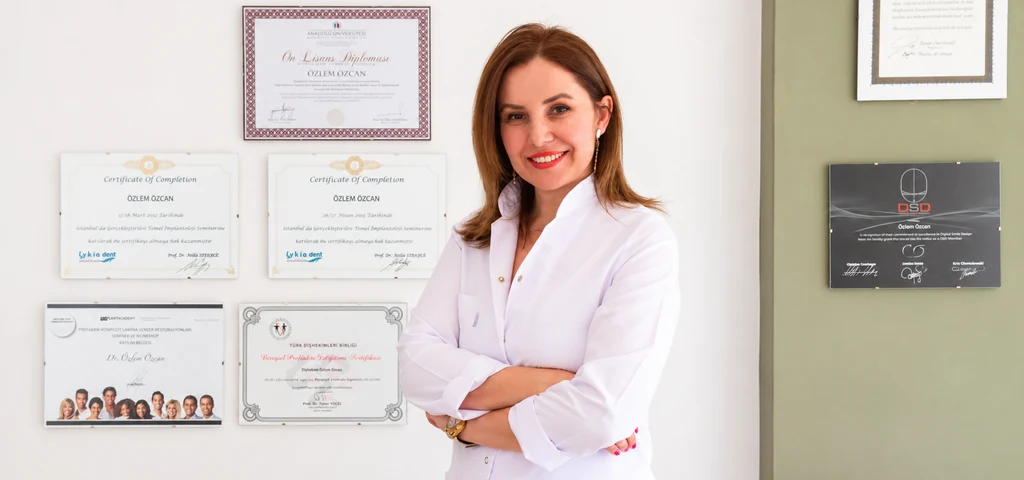
At her clinic in Şişli, Istanbul, Dt. Özlem Özcan examines the cause of colour change, oral health, sensitivity and visible restorations before recommending a whitening method. For patients considering teeth whitening in Turkey, a controlled plan is more important than choosing the strongest product or the brightest shade. The aim is a measured improvement that suits the natural teeth and the surrounding restorations while limiting avoidable sensitivity and gum irritation. This guide explains suitability, methods, results, risks, aftercare and travel planning.
How does teeth whitening work?
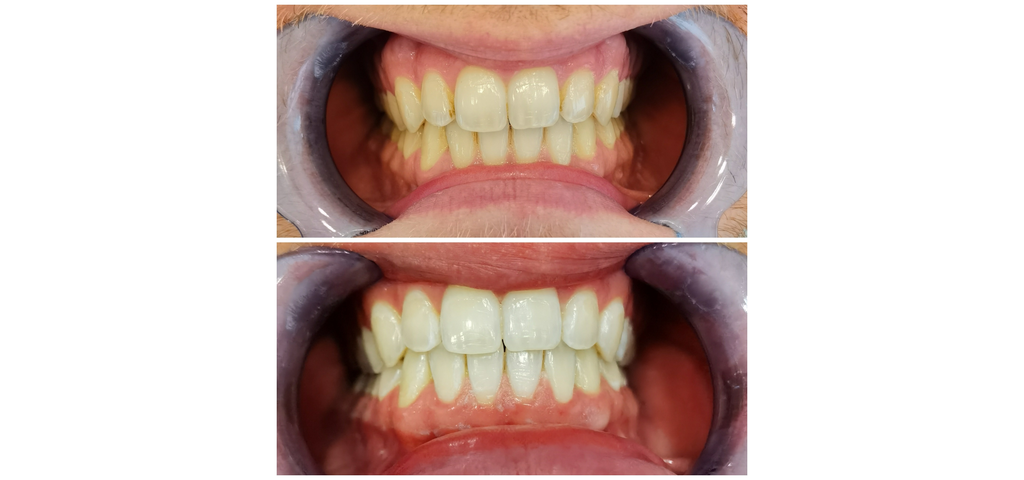
Whitening gels commonly contain hydrogen peroxide or carbamide peroxide. These agents diffuse into the tooth and break down coloured molecules, making the overall shade appear lighter. The process changes colour within suitable natural tooth tissue; it is different from simply polishing stain from the surface.
Results depend on the type and depth of discolouration, the agent, concentration, contact time and individual tooth response. Yellow or age-related shades often respond more readily than some grey, developmental or trauma-related changes. Teeth in the same mouth may whiten at different rates, particularly when their starting colours or histories differ.
The temporary dehydration that occurs during in-office treatment can make teeth look lighter immediately after the appointment. As they rehydrate, a degree of shade rebound can occur. For this reason, the colour should not be judged solely from an instant photograph taken before the patient has left the chair.
Why do teeth become darker?
External or extrinsic discolouration develops on the tooth surface from coffee, tea, red wine, tobacco, strongly pigmented foods and plaque. Professional cleaning and polishing may remove much of this stain without bleaching the internal tooth colour. Whitening toothpaste can help control some surface staining through polishing or chemical agents, but it does not provide the same effect as peroxide bleaching within the tooth.
Internal or intrinsic discolouration lies within enamel or dentine. Ageing commonly makes teeth appear darker as enamel changes and the underlying dentine becomes more visible. Developmental conditions, certain medication exposure while teeth form, excess fluoride, trauma and pulp changes can create patterns that respond differently to conventional whitening.
A single tooth that becomes grey or dark after trauma may have a damaged or non-vital pulp. It requires diagnosis rather than repeated external whitening. Depending on findings, treatment may involve monitoring, root canal care, internal bleaching, bonding, a veneer or a crown. A dark tooth can occasionally signal disease even when it is not painful.
Decay, leaking restorations and exposed root surfaces can also change appearance. Whitening gel does not treat these causes. The examination separates removable stain, natural shade, dental disease and restorative colour so that the treatment addresses the correct problem.
Who may be suitable for professional whitening?
Adults with healthy natural teeth and gums who want to lighten generalised yellowing or staining may be suitable. The patient should understand that a healthy natural shade is not paper white and that the endpoint varies. A baseline shade record and discussion of expectations help prevent overtreatment.
Decay, cracked teeth, leaking fillings, severe sensitivity and active gum disease should be assessed and treated or stabilised first. Whitening gel can enter cavities or contact exposed dentine and make symptoms worse. A cleaning may also be recommended when plaque and surface stain obscure the true starting colour.
Patients with front fillings, crowns, veneers or bridges need careful planning because these materials retain their existing shade. Whitening the natural teeth can create a mismatch, and replacement of otherwise sound restorations may then be requested. If new aesthetic restorations are planned, whitening is generally performed first and the final shade is selected after the teeth stabilise.
Pregnancy or breastfeeding, age, medical history, oral conditions and previous reactions are discussed individually. Elective whitening may be postponed when sufficient safety information or clinical justification is lacking. Patients should not assume that an over-the-counter product is appropriate simply because it is easy to purchase.
Professional whitening methods
In-office whitening
In-office treatment uses a whitening agent applied by the dental team after protecting the lips, cheeks and gums. The gel remains in controlled contact with the teeth for one or more cycles according to the system and patient response. The clinician monitors soft tissues and symptoms and can stop or modify treatment if sensitivity develops.
Dentist-supervised home whitening
Custom trays are made from a scan or impression and designed to hold a prescribed amount of gel against the teeth. The patient follows a specific wear schedule at home over days or weeks. A gradual approach can allow shade development and sensitivity to be managed by adjusting frequency or contact time under professional guidance.
Combined whitening
A combined plan uses an in-office session and custom trays for continued or maintenance whitening. It may be considered when the desired change or stain pattern benefits from more than one phase. Combination should not mean uncontrolled accumulation of peroxide exposure; the dentist sets the sequence and review.
Internal whitening of a non-vital tooth
A root-treated tooth that remains dark may be whitened from inside the pulp chamber in selected cases. The root filling and seal are assessed first, and protective barriers are placed before the internal agent. This is a different procedure from external whitening and has specific risks, limitations and review requirements.
Whitening toothpaste and surface-stain removal
Whitening toothpaste mainly improves surface stain through abrasives or polishing agents. It may support maintenance but cannot predictably change deep intrinsic colour like professional bleaching. Excessively abrasive or unverified products may increase wear or sensitivity, particularly on exposed roots.
| Method | Where it is used | Main advantage | Main consideration |
|---|---|---|---|
| In-office whitening | Dental clinic | Clinician-controlled application and shorter active session | Temporary sensitivity and dehydration-related shade rebound can occur |
| Custom-tray whitening | At home under dental supervision | Gradual treatment with an individual wear plan | Requires correct gel amount, consistent use and safe storage |
| Combined whitening | Clinic and home | Allows staged whitening and maintenance planning | Total exposure must remain professionally directed |
| Internal whitening | Inside a selected root-treated tooth | Targets one internally darkened tooth | Requires endodontic assessment and specific protective steps |
| Whitening toothpaste | Daily home care | Can help remove or control surface stain | Does not bleach crowns, fillings or deep tooth colour |
Is light or laser activation necessary?
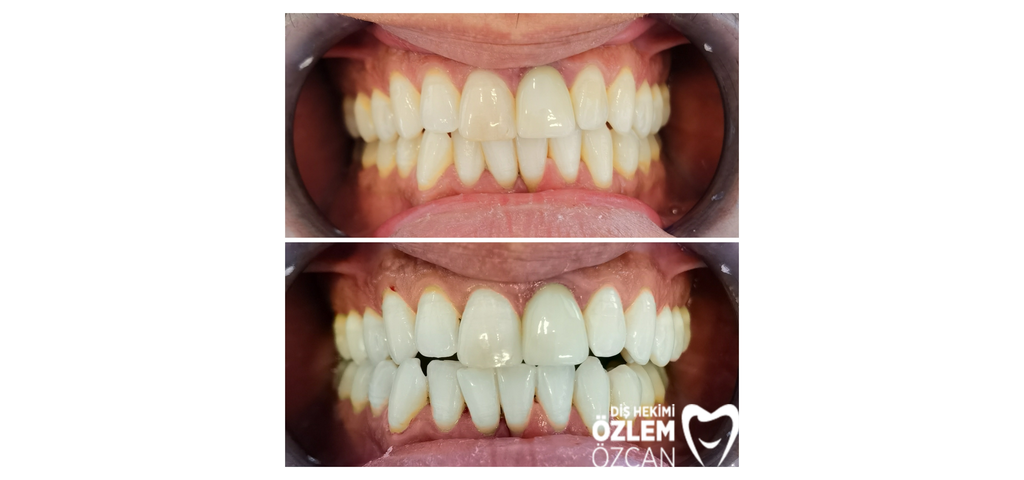
Some in-office systems use a light as part of the manufacturer’s protocol and are marketed as laser or power whitening. The whitening action itself comes primarily from the chemical bleaching agent. The presence of a bright lamp does not by itself guarantee a better, safer or longer-lasting result.
Light can influence gel temperature, treatment experience and immediate appearance depending on the system. Apparent rapid brightening may partly reflect dehydration. The relevant questions are which gel is used, how soft tissues are protected, how exposure is controlled and whether the protocol suits the patient’s sensitivity risk.
Dt. Özlem Özcan selects the method according to examination and the product’s clinical instructions rather than treating the word “laser” as a quality standard. Patients should be cautious of claims that a light eliminates sensitivity, prevents every risk or creates a permanent shade.
What happens during an in-office whitening appointment?
1. Examination and consent
The teeth, gums and visible restorations are checked, and the cause of discolouration is discussed. The patient’s sensitivity history, desired change, alternatives and limitations are reviewed. Decay, cracks or active gum problems may alter or postpone the plan.
2. Baseline shade and photographs
A shade guide and photographs document the starting point under consistent conditions. This helps evaluate change more accurately than memory or differently lit phone images. The patient is reminded that teeth naturally vary and may not finish at one identical shade.
3. Soft-tissue protection
Lips and cheeks are retracted, and gums are isolated with a protective barrier or another system-appropriate method. Exposed roots, sensitive areas and restorations are considered. Careful isolation reduces chemical irritation but cannot promise that no temporary symptoms will occur.
4. Gel application
The whitening agent is placed on selected tooth surfaces for controlled cycles. The dental team observes the gel, tissues and patient comfort. Treatment can be shortened, paused or stopped when sensitivity or irritation develops; completing every planned cycle is not more important than safety.
5. Rinsing and assessment
The gel and barriers are removed, tissues are checked and the immediate shade is recorded. Desensitising measures may be applied or recommended where appropriate. Final appearance is reviewed after rehydration rather than judged only from the chairside result.
6. Aftercare and review
The patient receives instructions about sensitivity, diet, cleaning and any home-tray phase. A review may be advised to assess stable colour and decide whether further whitening, no additional treatment or restoration replacement is appropriate.
How dentist-supervised home trays are used
A digital scan or impression records the teeth, and custom trays are produced to fit the planned whitening area. At delivery, the fit is checked and the patient is shown the small amount of gel needed. Overfilling can push material onto the gums without improving the result.
Wear time and frequency depend on the prescribed agent and concentration. Patients should follow the clinic’s instructions rather than copying a schedule from social media or another product. If sensitivity increases, the dentist may advise shorter wear, rest days, a change in concentration or desensitising care.
Trays are cleaned with the recommended cool or lukewarm method and stored safely away from heat, children and pets. Gel storage and expiry instructions should be followed. Patients should not share trays or whitening material because fit, diagnosis and sensitivity differ.
Existing trays may remain useful for professionally advised maintenance if they still fit and oral health has not changed. New fillings, crowns, orthodontic movement or significant tooth wear can alter fit. A tray that pinches tissue or no longer seats fully should be checked rather than forced.
What shade result can be expected?
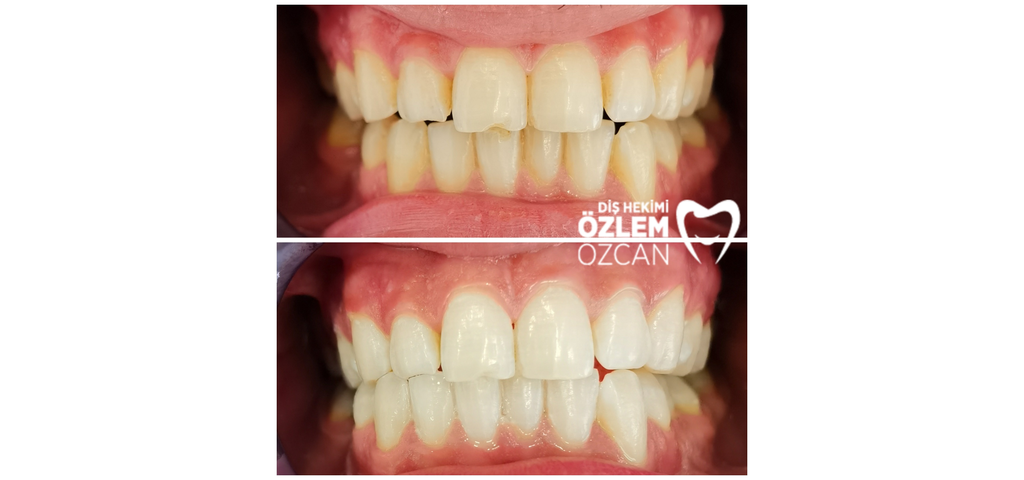
Whitening can lighten natural teeth, but no exact number of shade steps can be guaranteed. Starting colour, enamel and dentine, stain type, age, treatment adherence and individual response all matter. Teeth with yellow tones often respond differently from grey, banded or heavily intrinsic stains.
Canines naturally tend to be darker than central incisors, and roots can appear warmer because dentine is more influential near the gum. Whitening may reduce these differences without eliminating them. Demanding a single flat colour can lead to repeated exposure without a meaningful aesthetic benefit.
White spots or developmental markings can temporarily appear more noticeable during whitening because different areas dehydrate and change at different rates. Contrast may settle with rehydration or continued supervised treatment, but some defects need separate management. The possibility should be discussed before treatment when visible.
The goal is an improvement within the biology of the natural teeth, not an artificial shade selected from a crown sample. If the desired colour is beyond what whitening can provide, veneers or crowns may change shade more extensively but require different levels of intervention and long-term maintenance. They should not be presented as a routine next step for every patient.
Whitening around fillings, veneers and crowns
Composite fillings, porcelain veneers, crowns, bridges and implant crowns do not bleach. Surface stain may sometimes be polished, but their underlying shade remains. Whitening natural teeth around them can reveal or increase a mismatch. This is especially relevant for front-tooth restorations chosen to match an older, darker shade.
When a smile plan includes whitening and new restorations, whitening usually comes first. The teeth are then allowed to rehydrate and the shade to stabilise before definitive matching and bonding. Immediate replacement risks selecting a colour from temporarily dehydrated teeth.
A small filling may sometimes be polished, repaired or replaced after whitening if the mismatch is visible. Replacing a sound veneer or crown is a larger irreversible decision and may carry additional tooth risk. The expected colour difference and replacement implications should be part of consent before bleaching begins.
Patients considering future laminate veneers, dental crowns or composite bonding can use whitening as a conservative first stage when clinically suitable. The final restorative plan should account for stable shade and bite.
Sensitivity and gum irritation
Temporary tooth sensitivity is a common adverse effect of peroxide whitening. It can occur when the agent passes through enamel and dentine and stimulates the pulp. Risk varies with concentration, contact time, pre-existing sensitivity, cracks, exposed dentine and individual response.
Sensitivity may feel like brief cold zingers or a general ache during or after treatment. The dentist may recommend a desensitising toothpaste or gel, shorter applications, lower concentration or rest days depending on the method. Patients should report symptoms rather than increasing product use in an attempt to finish sooner.
Whitening gel contacting gums can cause temporary irritation or blanching. Correct isolation, custom tray fit and using only the instructed amount reduce exposure. Persistent ulceration, swelling or significant pain requires professional assessment.
Severe, spontaneous, localised or lasting pain is not assumed to be ordinary whitening sensitivity. Decay, a crack, pulp inflammation, gum recession or an ill-fitting tray may be responsible. Treatment should pause until the cause is assessed.
Risks, limitations and unsuitable practices
Overuse can increase sensitivity and irritate soft tissues, and repeated unsupervised exposure may damage oral tissues or tooth surfaces. More gel, longer contact or combining several products does not safely create unlimited whitening. Patients should follow the prescribed schedule and avoid buying unidentified high-concentration material online.
Acidic DIY methods such as lemon, vinegar or abrasive mixtures do not provide controlled bleaching and can erode or wear enamel. Charcoal and harsh powders may remove surface stain through abrasion while increasing roughness or wear. “Natural” does not mean harmless.
Whitening cannot correct shape, position, cracks, missing enamel or decay. It cannot lighten restorative materials and may have limited effect on medication-related, developmental or trauma-related discolouration. A patient with unrealistic shade expectations may be better served by no treatment or a different staged plan.
No whitening result is permanent. Diet, tobacco, ageing and natural colour change continue. Repeated maintenance may be appropriate, but the interval and method should be based on oral health and previous response rather than a fixed cosmetic calendar.
How long do whitening results last?
Duration varies and cannot be promised as a set number of months or years. Coffee, tea, red wine, tobacco, pigmented foods, plaque, ageing and individual enamel characteristics affect colour. A person who smokes or frequently consumes staining drinks may notice change sooner than someone with fewer exposures.
Daily brushing with fluoride toothpaste, cleaning between teeth and periodic professional hygiene help control plaque and external stain. Drinking water after pigmented drinks and avoiding prolonged frequent exposure may help, but extreme dietary restriction is unnecessary. Oral health remains more important than preserving the lightest possible shade.
Touch-up whitening should use the dentist’s instructions and a product suitable for the patient. A brief supervised maintenance phase may be enough; automatically repeating a full intensive course can add sensitivity without proportional benefit. The stable baseline, restoration colours and any new dental disease are reassessed first.
Aftercare following teeth whitening
Follow the specific eating and drinking advice provided for the chosen system. Teeth can be temporarily dehydrated and more sensitive immediately after in-office treatment. Very hot, cold or acidic foods may feel uncomfortable, so patients can select a gentler diet until sensitivity settles.
Continue brushing with a soft brush and fluoride toothpaste. A desensitising toothpaste may be advised before, during or after treatment. Do not scrub harder to keep teeth white; aggressive brushing can contribute to recession and exposed sensitive root surfaces.
Staining food and drinks can be moderated, particularly during the active whitening phase. Rinsing with water after coffee or tea and avoiding tobacco support both colour and oral health. Straws do not eliminate all contact and should not replace sensible habits.
Contact the clinic for severe or persistent sensitivity, gum burns, swelling, localised pain or an unexpected colour pattern. If a restoration suddenly appears more obvious, allow the natural teeth to rehydrate before making an irreversible replacement decision.
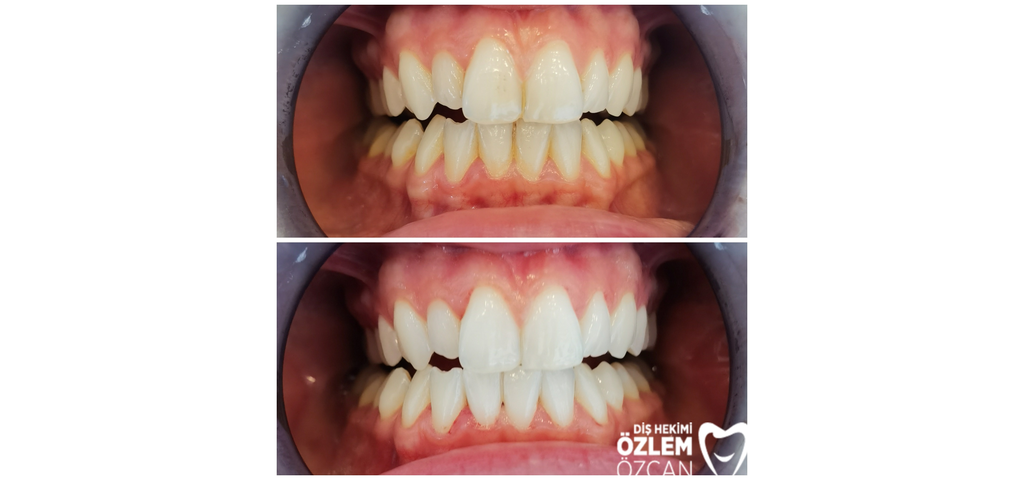
Planning teeth whitening in Istanbul from abroad
Whitening often fits into a short Istanbul visit more easily than laboratory-made treatment, but it still requires examination. International patients can share photographs, sensitivity history and information about visible fillings, crowns and veneers before travel. These cannot reveal all decay, cracks or gum disease, so final suitability is confirmed in the clinic.
A professional cleaning may be needed before whitening if stain or plaque is present. If decay, leaking restorations or active gum disease is found, whitening may be postponed. Patients should avoid arranging treatment immediately before an important event without allowing for temporary sensitivity, shade rebound or the possibility that additional dental care is required.
For take-home trays, the patient must understand gel storage, quantity, wear schedule, sensitivity management and when to stop. Carry products according to travel and airline rules and keep them away from heat. The clinic should provide written instructions that remain useful after the patient returns home.
If whitening is the first stage of veneers, crowns or bonding, allow enough time for shade stabilisation and restorative planning. Compressing bleaching and final shade matching into an unrealistic schedule can compromise colour decisions. International treatment should be sequenced around biology, not only departure time.
Information to provide before the appointment
- Your main colour concern and any preferred level of change
- Previous whitening products, dates, results and sensitivity
- Visible front fillings, veneers, crowns, bridges or implants
- Current tooth pain, cold sensitivity, gum bleeding or recession
- A history of trauma, root canal treatment or one dark tooth
- Medical conditions, pregnancy or breastfeeding status and medicines
- Planned bonding, veneers or crowns and your travel schedule
Frequently asked questions
Does teeth whitening damage enamel?
Professionally selected whitening used according to instructions is designed to lighten suitable natural teeth without cutting enamel. Misuse, overuse and unverified acidic or abrasive methods can harm teeth or gums, so diagnosis and directions matter.
Will whitening make my teeth sensitive?
Temporary sensitivity is common but varies. Pre-existing sensitivity, concentration and contact time influence risk. The plan can be modified with rest days, shorter use or desensitising measures when appropriate.
How white will my teeth become?
No exact shade can be guaranteed. Starting colour, stain type, tooth structure and individual response determine the change. Healthy natural teeth also vary in shade across the smile.
Do crowns, veneers and fillings whiten?
No. Bleaching lightens responsive natural tooth tissue but does not change the underlying shade of composite fillings, porcelain veneers, crowns, bridges or implant crowns.
Is in-office whitening better than home trays?
Neither method is universally better. In-office whitening provides clinician-controlled shorter application, while custom trays allow gradual whitening at home. Suitability, sensitivity, timing and desired control guide the choice.
Is laser whitening permanent?
No. A light may form part of an in-office protocol, but no whitening method permanently stops ageing or future staining. Maintenance needs vary with habits and individual tooth colour.
Can one dark tooth be whitened?
Possibly, but it first needs diagnosis. Trauma, pulp death, a root filling or developmental colour can require internal whitening or another treatment rather than routine external bleaching.
How long should I avoid coffee after whitening?
Follow the product-specific instructions from the treating dentist. Moderating staining drinks during active treatment is sensible, but long-term colour is influenced by overall frequency, cleaning, tobacco and natural ageing.
How often can teeth whitening be repeated?
There is no safe universal calendar. Repeat treatment depends on oral health, previous response, sensitivity, current shade, restorations and the method. A dental review should guide maintenance rather than automatic frequent use.
Can I have whitening and veneers during the same trip?
They may be part of one treatment plan, but final ceramic or composite shade selection should account for rehydration and colour stabilisation after whitening. The required interval and schedule are decided individually.
Requesting a teeth whitening consultation in Istanbul
If you are considering professional teeth whitening in Istanbul, contact Dt. Özlem Özcan’s clinic with your colour concerns, sensitivity history and details of visible fillings, veneers or crowns. A preliminary discussion can help prepare the appointment, but the whitening method and suitability are confirmed after examination.
The objective is not to chase an unlimited or artificial white shade. It is to lighten suitable natural teeth through a controlled method that respects sensitivity, gum health and existing restorations. When whitening is part of a larger smile plan, its timing should support conservative and accurate restorative decisions.